Availability
0% Finance - UK ONLY
b


The Soul is the founding model of the Cotic range; initially conceived in 2003 as a Modern Steel Hardtail, we wanted the best frame we could make, something no one else was making back then. It was super progressive and quickly become an icon, winning multiple tests and awards over the following years. It spawned many imitators, but the Soul was the original, the template.
The 5th generation Soul captures that progressive spirit of the original. Tough, light, fun, interactive, comfortable. It's great at all of these things, but at heart the Soul is a singletrack scapel. Optimised around 120mm forks, but with the strength and toughness for up to 140's, the Reynolds 853 steel tubeset has our famously subtle and traction rich feel. The Soul is fast, responsive, sharp, keen and smooth.
We have bombed down Pyraneen mountains. We have battered across the rocks on British hills. We have whizzed between the trees. We have strapped bags to them and got some nights in the bivvy bags out in the hills. Zipping between the trees on that glorious sliver of trail, the Soul is THE bike you need to be on. You won't just smile, you will probably be laughing out loud. Who doesn't want a bit of that in their riding life?
The Cotic Soul: The Original and Best. The ultimate expression of the trail hardtail.
Reviews
Read BikeRadar/MBUK's 4.5/5 review of the Cotic Soul:
"Superb taut-yet-floated, light-yet-tough steel frame, also has radical stretched, speed-boosting singletrack geometry."
"....and for a lot of...trails, it's all the bike I think many people need."
"Buy if, You want a tough and classy frame to take on the trail."
Click Here to read the full review
Read off.road.cc 4.5/5 review of the Cotic Soul:
"A sweet handling and extremely versatile trail hardtail with a great ride feel and encouraging geometry"
"...hugely capable and stable when you want to push on, but it's not a dead-feeling slugger of a bike, with a lovely ride quality and great manners."
Click Here to read the full review
What does Kes have to say...?
Want to learn more about the iconic Soul?
Click on the tabs below...
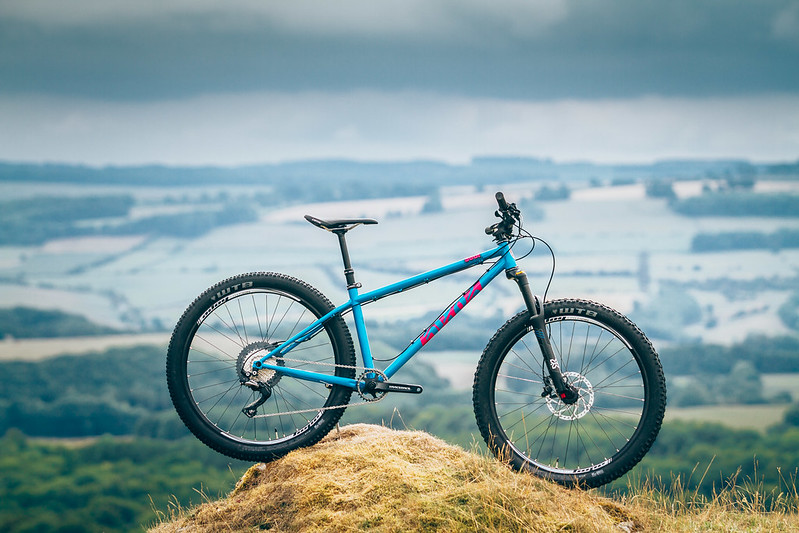
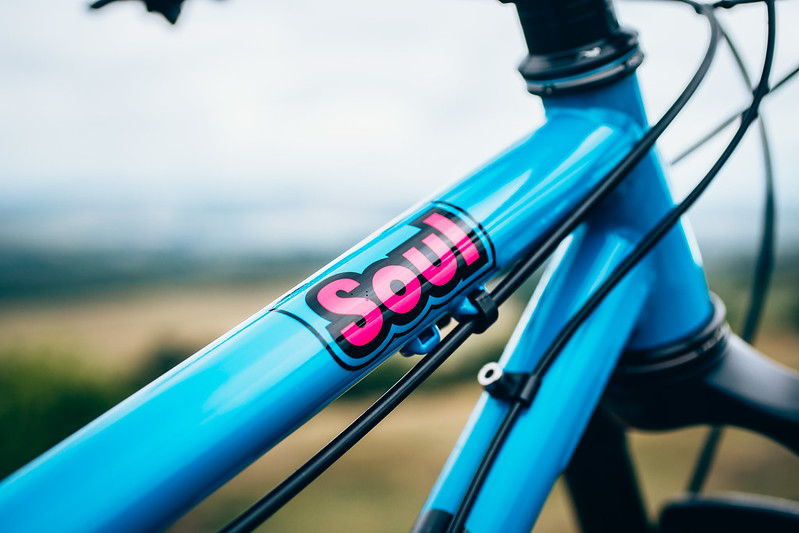


Radical Longshot geometry keeps the bike stable through the rough stuff, planted in the corners and pinpoint accurate in the steep tech. Couple a super short 35mm stem to the optimised head angle and the bike really pushes you on, looking for every stump to boost off, rock to gap and berm to rail, keeping you connected to the trail while maintaining incredible poise and composure.
Reynolds 853 builds a light, lively and fantastically robust front end, and includes our custom ride tuned Ovalform top tube which helps to deliver that famous ride feel. The frames' steel construction is compliant and naturally ground moulding, extracting grip and feedback from the trail where you thought there was none. Pair it to our custom sized and shaped heat treated cromoly rear end for the lightest, toughest, most beautiful riding frame.
27.5" Wheels
The Soul is designed around the latest 27.5 x 2.6" wide trail tyres, with clearance to spare even with this monster rubber installed. 27.5" wheels are lighter, livelier and easier to accelerates than 29" or 27.5Plus wheels, with a more interactive feel. This is at the expense of slightly less stability and easy rollover on rockier, bumpier terrain. They also more easily package into a small frame - shorter chainstays, lower stack/head tube height - so the proportions suit shorter riders. Now more than ever with the XS size option for riders down to 5ft.
We Build Your Bike For You
All Cotic bikes are assembled in the UK from and frame up. We have set specifications, but these are just the start. Want the Silver spec bike with tubeless tyres? Easy! Want a big can air shock on your droplink bike instead of the inline? It's there too. Full colour matched Hope parts, and add the matching brakes too? It's a click away, and everything else in between. If it's not a choice on the order form, just ask.
When you contact us you are talking to the people who design the frames and will be building your bike. We check it and build and pack it in our award winning bike boxes with the same care we would our own bike, because we know how important it is. We build your bike, for you.
Is the Soul the bike for you?
Like the idea of a Cotic hardtail trail bike, but want the versatility and easy rolling of 29er or 275 Plus wheels? Have a look at the SolarisMAX.
If you like the idea the Soul, but want a full suspension bike with similar personality, you need the Flare.
Soul not quite tough enough for you? What something for the jumps and drops and longer forks? You need the BFe.
Tech Deep Dive
Want to get right into the details about why our bikes are built the way they are? Geek away my friend!
- Reynolds 853 DZB down tube, Ovalform top tube and exclusive to Cotic Reynolds 853 34.9mm seat tube design combine for a supple yet precise ride feel
- Cotic designed 34/44 taper head tube for taper steerer forks
- Dropper seatpost friendly 31.6mm seatpost size
- Internal and External dropper post routing options
- Shimano Sideswing Side Swing front mech compatibility. Better clearance, better shifting, cleaner routing via down tube.
- 4130 cromo wishbone stay rear end. Bridge-less Super Clearance S-bend chainstays with Cotic Hexten gussets for improved fatigue life and massive mud
clearance. 27.5" x 2.6" or 26 x 3.0"
- Syntace X-12 x 148 Boost thru axle
- Geometry with commitment! Optimised around 120mm forks, maximum 140mm forks.
- New Longshot geometry brings pin sharp, super short stem handling options whilst revised angles improve stability at speed and maintain that legendary Cotic ride feel.
- Sizes - XS, Small, Medium and Large. The frames are designed to be compact and chuckable, with plenty of length.
- Weight - 4.5lbs for the medium
The chart is a guide to frame size. Longshot Geometry means that the frames are low and long, with plenty of standover room. We recommend going for the size suggested for your height on the chart, and getting all the benefits of running a super short and responsive 30-35mm stem. It's a game changer. Make sure you consider your leg length as well. You might not be able to fit a longer dropper post due to the collar hitting the seat tube top. If you are unsure about that or anything else, drop us a line at size@cotic.co.uk and we'll be happy to discuss set up based on what you're riding at the moment and what seatpost you are planning to use.
140mm travel forks
Frame Size
Extra Small
Small
Medium
Large
Seat Tube (centre-top)
365mm
390mm
425mm
460mm
Top Tube Length (effective)
590mm
613mm
638mm
667mm
Head Angle
66°
66°
66°
66°
Seat Angle
72°
72°
72°
72°
Chainstay Length
428mm
428mm
428mm
428mm
BB Drop
38mm
38mm
38mm
38mm
Head Tube Length
100mm
100mm
110mm
120mm
Reach
406mm
429mm
452mm
474mm
Stack
579.5mm
579.5mm
588.0mm
599.0mm
Usual Height Range
157-164cm
165-173cm
174-182cm
183-191cm
Stem Length
30-50mm
30-50mm
30-50mm
30-50mm
Max Tyre Size
27.5 x 2.6" / 26 x 3.0"
27.5 x 2.6" / 26 x 3.0"
27.5 x 2.6" / 26 x 3.0"
27.5 x 2.6" / 26 x 3.0"
Maximum Seatpost Insertion (including actuator mechanism)
216mm
251mm
251mm
286mm
All measurements are based on 140mm travel fork with 25% sag (i.e. rider on board). Seatpost Maximum insertion is guidance based on leaving 25mm clear below the actuator for any hose or cable to route through our frames. Your post may need less, or more, or if you use an externally routed dropper you won't need this margin at all.
5 ½" travel forks
Frame Size
Extra Small
Small
Medium
Large
Seat Tube (centre-top)
14.4"
15.3"
16.7"
18.1"
Top Tube Length (effective)
23.22"
24.15"
25.1"
26.3"
Head Angle
66°
66°
66°
66°
Seat Angle
72°
72°
72°
72°
Chainstay Length
16.8"
16.8"
16.8"
16.8"
BB Drop
1.5"
1.5"
1.5"
1.5"
Head Tube Length
3.9"
3.9"
4.3"
4.7"
Reach
16.1"
17.0"
17.9"
18.7"
Stack
22.85"
22.85"
23.2"
23.6"
Usual Height Range
5'2"-5'5"
5'5"-5'8"
5'9"-6'0"
6'0"-6'3"
Stem Length
30-50mm
30-50mm
30-50mm
30-50mm
Max Tyre Size
27.5 x 2.6" / 26 x 3.0"
27.5 x 2.6" / 26 x 3.0"
27.5 x 2.6" / 26 x 3.0"
27.5 x 2.6" / 26 x 3.0"
Maximum Seatpost Insertion (including actuator mechanism)
216mm
251mm
251mm
286mm
All measurements are based on 140mm travel fork with 25% sag (i.e. rider on board). Seatpost Maximum insertion is guidance based on leaving 25mm clear below the actuator for any hose or cable to route through our frames. Your post may need less, or more, or if you use an externally routed dropper you won't need this margin at all.
120mm travel forks
Frame Size
Extra Small
Small
Medium
Large
Seat Tube (centre-top)
365mm
390mm
425mm
460mm
Top Tube Length (effective)
588mm
611mm
636mm
665mm
Head Angle
67°
67°
67°
67°
Seat Angle
73°
73°
73°
73°
Chainstay Length
428mm
428mm
428mm
428mm
BB Drop
43mm
43mm
43mm
43mm
Head Tube Length
100mm
100mm
110mm
120mm
Reach
412mm
435mm
458mm
480mm
Stack
574.5mm
574.5mm
583.7mm
593.0mm
Usual Height Range
157-164cm
165-173cm
174-182cm
183-191cm
Stem Length
30-50mm
30-50mm
30-50mm
30-50mm
Max Tyre Size
27.5 x 2.6" / 26 x 3.0"
27.5 x 2.6" / 26 x 3.0"
27.5 x 2.6" / 26 x 3.0"
27.5 x 2.6" / 26 x 3.0"
Maximum Seatpost Insertion (including actuator mechanism)
216mm
251mm
251mm
286mm
All measurements are based on 120mm travel fork with 20% sag (i.e. rider on board). Seatpost Maximum insertion is guidance based on leaving 25mm clear below the actuator for any hose or cable to route through our frames. Your post may need less, or more, or if you use an externally routed dropper you won't need this margin at all.
4 ¾" travel forks
Frame Size
Extra Small
Small
Medium
Large
Seat Tube (centre-top)
14.4"
15.3"
16.7"
18.1"
Top Tube Length (effective)
23.14"
24.05"
25.03"
26.2"
Head Angle
67°
67°
67°
67°
Seat Angle
73°
73°
73°
73°
Chainstay Length
16.8"
16.8"
16.8"
16.8"
BB Drop
1.7"
1.7"
1.7"
1.7"
Head Tube Length
3.9"
3.9"
4.3"
4.7"
Reach
16.22"
17.12"
18.03"
18.9"
Stack
22.6"
22.6"
23.0"
23.4"
Usual Height Range
5'2"-5'5"
5'5"-5'8"
5'9"-6'0"
6'0"-6'3"
Stem Length
30-50mm
30-50mm
30-50mm
30-50mm
Max Tyre Size
27.5 x 2.6" / 26 x 3.0"
27.5 x 2.6" / 26 x 3.0"
27.5 x 2.6" / 26 x 3.0"
27.5 x 2.6" / 26 x 3.0"
Maximum Seatpost Insertion (including actuator mechanism)
216mm
251mm
251mm
286mm
All measurements are based on 120mm travel fork with 25% sag (i.e. rider on board). Seatpost Maximum insertion is guidance based on leaving 25mm clear below the actuator for any hose or cable to route through our frames. Your post may need less, or more, or if you use an externally routed dropper you won't need this margin at all.
Seatpost diameter: 31.6mm (at least 375mm long)
Dropper Compatibility: External and Internal "Stealth" routing options. External routing in dedicated hose clips under the top tube. Internal routing via the down tube.
Chainline:
- 1x drivetrains - regular (50mm chainline) up to 32t, Boost (53mm chainline) up to 36t
- 2x drivetrains - Boost only
Front Mech: Shimano Side Swing, Top Clamp 34.9mm, Front Entry, Boost chainline.
[click here for info]. Routing for front mech in p-clips along the down tube, same as the internal dropper post routing.
Bottom Bracket width: 73mm
Bottom Bracket thread: Conventional English/BSA
Fork: Optimised around 120mm. Maximum 140mm travel, 531mm axle-crown (without sag)
Headset: 44mm external cup lower, 34mm traditional standard upper [click here for info]
Rear Hub: Boost 148 x 12 thru axle Hope hub users (Pro2, Pro2 EVO or Pro4) with 142 axles can convert to Boost148 via a Boostinator Kit which can be purchased with a frame.
0% Finance - UK ONLY
b


The Soul is the founding model of the Cotic range; initially conceived in 2003 as a Modern Steel Hardtail, we wanted the best frame we could make, something no one else was making back then. It was super progressive and quickly become an icon, winning multiple tests and awards over the following years. It spawned many imitators, but the Soul was the original, the template.
The 5th generation Soul captures that progressive spirit of the original. Tough, light, fun, interactive, comfortable. It's great at all of these things, but at heart the Soul is a singletrack scapel. Optimised around 120mm forks, but with the strength and toughness for up to 140's, the Reynolds 853 steel tubeset has our famously subtle and traction rich feel. The Soul is fast, responsive, sharp, keen and smooth.
We have bombed down Pyraneen mountains. We have battered across the rocks on British hills. We have whizzed between the trees. We have strapped bags to them and got some nights in the bivvy bags out in the hills. Zipping between the trees on that glorious sliver of trail, the Soul is THE bike you need to be on. You won't just smile, you will probably be laughing out loud. Who doesn't want a bit of that in their riding life?
The Cotic Soul: The Original and Best. The ultimate expression of the trail hardtail.
Reviews
Read BikeRadar/MBUK's 4.5/5 review of the Cotic Soul:
"Superb taut-yet-floated, light-yet-tough steel frame, also has radical stretched, speed-boosting singletrack geometry."
"....and for a lot of...trails, it's all the bike I think many people need."
"Buy if, You want a tough and classy frame to take on the trail."
Click Here to read the full review
Read off.road.cc 4.5/5 review of the Cotic Soul:
"A sweet handling and extremely versatile trail hardtail with a great ride feel and encouraging geometry"
"...hugely capable and stable when you want to push on, but it's not a dead-feeling slugger of a bike, with a lovely ride quality and great manners."
Click Here to read the full review
What does Kes have to say...?


Radical Longshot geometry keeps the bike stable through the rough stuff, planted in the corners and pinpoint accurate in the steep tech. Couple a super short 35mm stem to the optimised head angle and the bike really pushes you on, looking for every stump to boost off, rock to gap and berm to rail, keeping you connected to the trail while maintaining incredible poise and composure.
Reynolds 853 builds a light, lively and fantastically robust front end, and includes our custom ride tuned Ovalform top tube which helps to deliver that famous ride feel. The frames' steel construction is compliant and naturally ground moulding, extracting grip and feedback from the trail where you thought there was none. Pair it to our custom sized and shaped heat treated cromoly rear end for the lightest, toughest, most beautiful riding frame.
The Soul is designed around the latest 27.5 x 2.6" wide trail tyres, with clearance to spare even with this monster rubber installed. 27.5" wheels are lighter, livelier and easier to accelerates than 29" or 27.5Plus wheels, with a more interactive feel. This is at the expense of slightly less stability and easy rollover on rockier, bumpier terrain. They also more easily package into a small frame - shorter chainstays, lower stack/head tube height - so the proportions suit shorter riders. Now more than ever with the XS size option for riders down to 5ft.
All Cotic bikes are assembled in the UK from and frame up. We have set specifications, but these are just the start. Want the Silver spec bike with tubeless tyres? Easy! Want a big can air shock on your droplink bike instead of the inline? It's there too. Full colour matched Hope parts, and add the matching brakes too? It's a click away, and everything else in between. If it's not a choice on the order form, just ask.
When you contact us you are talking to the people who design the frames and will be building your bike. We check it and build and pack it in our award winning bike boxes with the same care we would our own bike, because we know how important it is. We build your bike, for you.
Like the idea of a Cotic hardtail trail bike, but want the versatility and easy rolling of 29er or 275 Plus wheels? Have a look at the SolarisMAX.
If you like the idea the Soul, but want a full suspension bike with similar personality, you need the Flare.
Soul not quite tough enough for you? What something for the jumps and drops and longer forks? You need the BFe.
Want to get right into the details about why our bikes are built the way they are? Geek away my friend!
- Reynolds 853 DZB down tube, Ovalform top tube and exclusive to Cotic Reynolds 853 34.9mm seat tube design combine for a supple yet precise ride feel
- Cotic designed 34/44 taper head tube for taper steerer forks
- Dropper seatpost friendly 31.6mm seatpost size
- Internal and External dropper post routing options
- Shimano Sideswing Side Swing front mech compatibility. Better clearance, better shifting, cleaner routing via down tube.
- 4130 cromo wishbone stay rear end. Bridge-less Super Clearance S-bend chainstays with Cotic Hexten gussets for improved fatigue life and massive mud clearance. 27.5" x 2.6" or 26 x 3.0"
- Syntace X-12 x 148 Boost thru axle
- Geometry with commitment! Optimised around 120mm forks, maximum 140mm forks.
- New Longshot geometry brings pin sharp, super short stem handling options whilst revised angles improve stability at speed and maintain that legendary Cotic ride feel.
- Sizes - XS, Small, Medium and Large. The frames are designed to be compact and chuckable, with plenty of length.
- Weight - 4.5lbs for the medium
The chart is a guide to frame size. Longshot Geometry means that the frames are low and long, with plenty of standover room. We recommend going for the size suggested for your height on the chart, and getting all the benefits of running a super short and responsive 30-35mm stem. It's a game changer. Make sure you consider your leg length as well. You might not be able to fit a longer dropper post due to the collar hitting the seat tube top. If you are unsure about that or anything else, drop us a line at size@cotic.co.uk and we'll be happy to discuss set up based on what you're riding at the moment and what seatpost you are planning to use.
140mm travel forks
| Frame Size | Extra Small | Small | Medium | Large |
|---|---|---|---|---|
| Seat Tube (centre-top) | 365mm | 390mm | 425mm | 460mm |
| Top Tube Length (effective) | 590mm | 613mm | 638mm | 667mm |
| Head Angle | 66° | 66° | 66° | 66° |
| Seat Angle | 72° | 72° | 72° | 72° |
| Chainstay Length | 428mm | 428mm | 428mm | 428mm |
| BB Drop | 38mm | 38mm | 38mm | 38mm |
| Head Tube Length | 100mm | 100mm | 110mm | 120mm |
| Reach | 406mm | 429mm | 452mm | 474mm |
| Stack | 579.5mm | 579.5mm | 588.0mm | 599.0mm |
| Usual Height Range | 157-164cm | 165-173cm | 174-182cm | 183-191cm |
| Stem Length | 30-50mm | 30-50mm | 30-50mm | 30-50mm |
| Max Tyre Size | 27.5 x 2.6" / 26 x 3.0" | 27.5 x 2.6" / 26 x 3.0" | 27.5 x 2.6" / 26 x 3.0" | 27.5 x 2.6" / 26 x 3.0" |
| Maximum Seatpost Insertion (including actuator mechanism) | 216mm | 251mm | 251mm | 286mm |
| All measurements are based on 140mm travel fork with 25% sag (i.e. rider on board). Seatpost Maximum insertion is guidance based on leaving 25mm clear below the actuator for any hose or cable to route through our frames. Your post may need less, or more, or if you use an externally routed dropper you won't need this margin at all. | ||||
5 ½" travel forks
| Frame Size | Extra Small | Small | Medium | Large |
|---|---|---|---|---|
| Seat Tube (centre-top) | 14.4" | 15.3" | 16.7" | 18.1" |
| Top Tube Length (effective) | 23.22" | 24.15" | 25.1" | 26.3" |
| Head Angle | 66° | 66° | 66° | 66° |
| Seat Angle | 72° | 72° | 72° | 72° |
| Chainstay Length | 16.8" | 16.8" | 16.8" | 16.8" |
| BB Drop | 1.5" | 1.5" | 1.5" | 1.5" |
| Head Tube Length | 3.9" | 3.9" | 4.3" | 4.7" |
| Reach | 16.1" | 17.0" | 17.9" | 18.7" |
| Stack | 22.85" | 22.85" | 23.2" | 23.6" |
| Usual Height Range | 5'2"-5'5" | 5'5"-5'8" | 5'9"-6'0" | 6'0"-6'3" |
| Stem Length | 30-50mm | 30-50mm | 30-50mm | 30-50mm |
| Max Tyre Size | 27.5 x 2.6" / 26 x 3.0" | 27.5 x 2.6" / 26 x 3.0" | 27.5 x 2.6" / 26 x 3.0" | 27.5 x 2.6" / 26 x 3.0" |
| Maximum Seatpost Insertion (including actuator mechanism) | 216mm | 251mm | 251mm | 286mm |
| All measurements are based on 140mm travel fork with 25% sag (i.e. rider on board). Seatpost Maximum insertion is guidance based on leaving 25mm clear below the actuator for any hose or cable to route through our frames. Your post may need less, or more, or if you use an externally routed dropper you won't need this margin at all. | ||||
120mm travel forks
| Frame Size | Extra Small | Small | Medium | Large |
|---|---|---|---|---|
| Seat Tube (centre-top) | 365mm | 390mm | 425mm | 460mm |
| Top Tube Length (effective) | 588mm | 611mm | 636mm | 665mm |
| Head Angle | 67° | 67° | 67° | 67° |
| Seat Angle | 73° | 73° | 73° | 73° |
| Chainstay Length | 428mm | 428mm | 428mm | 428mm |
| BB Drop | 43mm | 43mm | 43mm | 43mm |
| Head Tube Length | 100mm | 100mm | 110mm | 120mm |
| Reach | 412mm | 435mm | 458mm | 480mm |
| Stack | 574.5mm | 574.5mm | 583.7mm | 593.0mm |
| Usual Height Range | 157-164cm | 165-173cm | 174-182cm | 183-191cm |
| Stem Length | 30-50mm | 30-50mm | 30-50mm | 30-50mm |
| Max Tyre Size | 27.5 x 2.6" / 26 x 3.0" | 27.5 x 2.6" / 26 x 3.0" | 27.5 x 2.6" / 26 x 3.0" | 27.5 x 2.6" / 26 x 3.0" |
| Maximum Seatpost Insertion (including actuator mechanism) | 216mm | 251mm | 251mm | 286mm |
| All measurements are based on 120mm travel fork with 20% sag (i.e. rider on board). Seatpost Maximum insertion is guidance based on leaving 25mm clear below the actuator for any hose or cable to route through our frames. Your post may need less, or more, or if you use an externally routed dropper you won't need this margin at all. | ||||
4 ¾" travel forks
| Frame Size | Extra Small | Small | Medium | Large |
|---|---|---|---|---|
| Seat Tube (centre-top) | 14.4" | 15.3" | 16.7" | 18.1" |
| Top Tube Length (effective) | 23.14" | 24.05" | 25.03" | 26.2" |
| Head Angle | 67° | 67° | 67° | 67° |
| Seat Angle | 73° | 73° | 73° | 73° |
| Chainstay Length | 16.8" | 16.8" | 16.8" | 16.8" |
| BB Drop | 1.7" | 1.7" | 1.7" | 1.7" |
| Head Tube Length | 3.9" | 3.9" | 4.3" | 4.7" |
| Reach | 16.22" | 17.12" | 18.03" | 18.9" |
| Stack | 22.6" | 22.6" | 23.0" | 23.4" |
| Usual Height Range | 5'2"-5'5" | 5'5"-5'8" | 5'9"-6'0" | 6'0"-6'3" |
| Stem Length | 30-50mm | 30-50mm | 30-50mm | 30-50mm |
| Max Tyre Size | 27.5 x 2.6" / 26 x 3.0" | 27.5 x 2.6" / 26 x 3.0" | 27.5 x 2.6" / 26 x 3.0" | 27.5 x 2.6" / 26 x 3.0" |
| Maximum Seatpost Insertion (including actuator mechanism) | 216mm | 251mm | 251mm | 286mm |
| All measurements are based on 120mm travel fork with 25% sag (i.e. rider on board). Seatpost Maximum insertion is guidance based on leaving 25mm clear below the actuator for any hose or cable to route through our frames. Your post may need less, or more, or if you use an externally routed dropper you won't need this margin at all. | ||||

Seatpost diameter: 31.6mm (at least 375mm long)
Dropper Compatibility: External and Internal "Stealth" routing options. External routing in dedicated hose clips under the top tube. Internal routing via the down tube.
Chainline:
- 1x drivetrains - regular (50mm chainline) up to 32t, Boost (53mm chainline) up to 36t
- 2x drivetrains - Boost only
Front Mech: Shimano Side Swing, Top Clamp 34.9mm, Front Entry, Boost chainline. [click here for info]. Routing for front mech in p-clips along the down tube, same as the internal dropper post routing.
Bottom Bracket width: 73mm
Bottom Bracket thread: Conventional English/BSA
Fork: Optimised around 120mm. Maximum 140mm travel, 531mm axle-crown (without sag)
Headset: 44mm external cup lower, 34mm traditional standard upper [click here for info]
Rear Hub: Boost 148 x 12 thru axle Hope hub users (Pro2, Pro2 EVO or Pro4) with 142 axles can convert to Boost148 via a Boostinator Kit which can be purchased with a frame.


